The Importance Of Steel Fabrication In Modern Industry
2 min read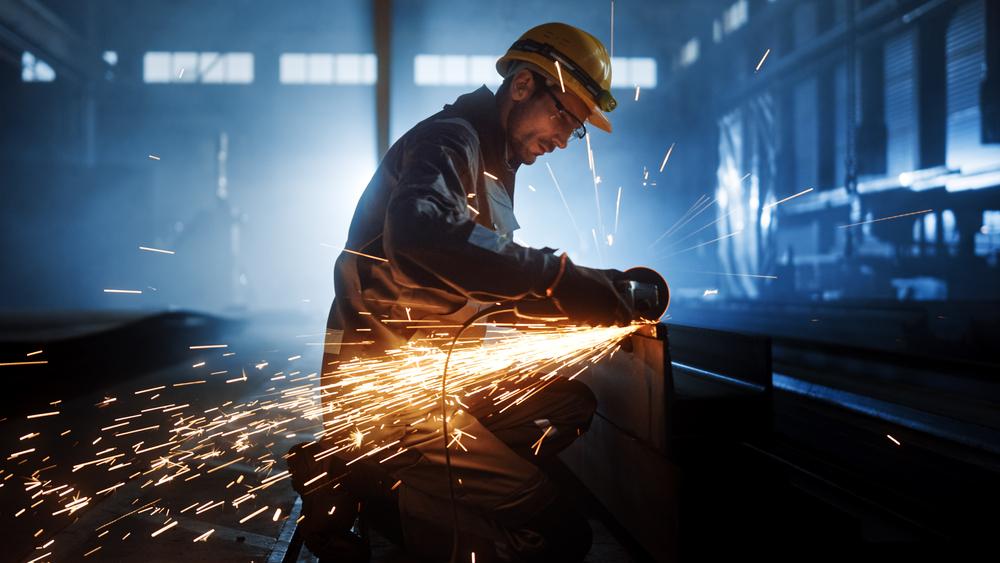
Our world is built on a framework of strength and precision. From the buildings we work in to the vehicles we use, a common, reliable material forms the backbone of progress. This material gains its true purpose through a specialized process, shaping raw potential into the components of daily life. That essential shaping process is steel fabrication.
The backbone of infrastructure:
Skyscrapers, bridges, and stadiums stand tall because of fabricated steel. The process creates the beams, columns, and trusses that form their skeletons. This steel framework resists wind, weather, and weight, ensuring safety and longevity. Without it, modern cities and their iconic structures would simply not exist.
Driving manufacturing forward:
Factories and assembly lines depend on custom steel parts. Machinery, robotic arms, and heavy equipment are often built from fabricated steel due to its durability. This allows production to run continuously and handle intense use. The manufacturing sector relies on this strength to keep global supply chains moving.
Powering energy creation:
Every form of energy production uses fabricated steel. Wind turbines, solar panel supports, hydroelectric dams, and traditional power plants incorporate custom steel elements. These components must withstand extreme forces and harsh environments. Reliable energy for homes and industry starts with these strong steel structures.
Allowing transportation networks:
Trains, ships, trucks, and rail networks are full of fabricated steel. It is used in chassis, frames, cargo containers, and tracks. The material’s ability to be formed into strong, lightweight shapes is vital for efficiency and safety. Our ability to move people and goods depends on this application.
Supporting technological advances:
Modern technology wants physical support. Data centers, communication towers, and scientific facilities use precise steel frameworks. These structures house sensitive equipment and require exact specifications. The accuracy of steel fabrication makes advanced innovation possible.
Promoting sustainable solutions:
Steel is highly recyclable, and fabrication supports this cycle. Fabricators often use recycled steel, and the end products themselves can be recycled later. The durability of fabricated steel means structures last for decades, reducing waste. This contributes to responsible industrial practices.
The silent role of steel fabrication is evident in every corner of industry. It turns basic material into the essential parts that build economies and communities. This process remains a fundamental force, quietly shaping a stronger and more functional world for everyone.